
At first glance, two cases can look almost identical. Same type of accident. Similar injuries. Same liability.
But one settles for $300,000…
And the other resolves for $30 million.
What’s the difference?
It’s not luck. It’s not timing.
And it’s definitely not just the injury.
It’s how the case is built.
Most people assume the value of a case comes down to what happened. But in reality, value is driven by what can be proven—and more importantly, what can be understood.
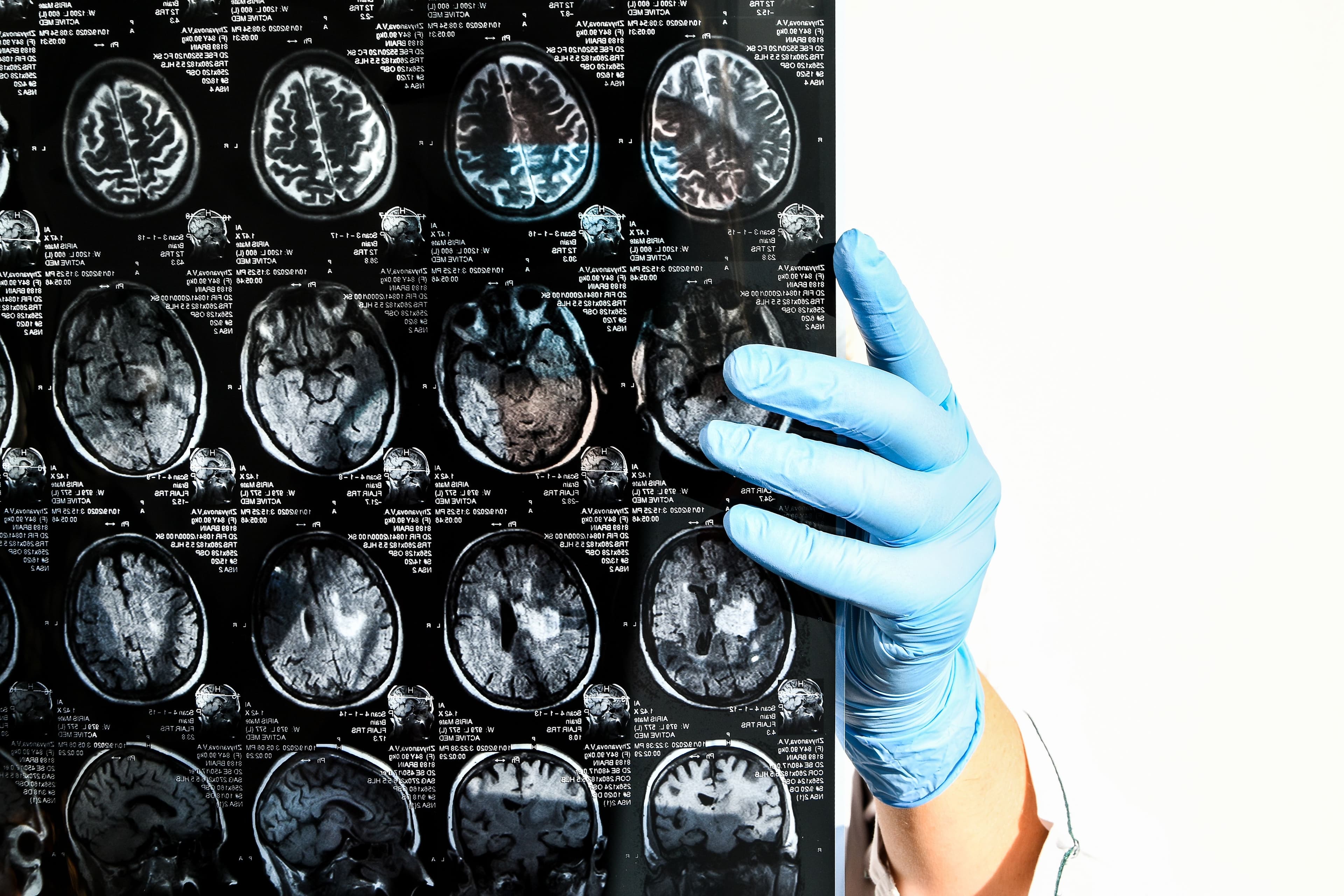
A traumatic brain injury, for example, doesn’t carry weight simply because it exists. It carries weight when a jury can see it, feel it, and understand how it changes someone’s life every single day.
Two cases can involve the same diagnosis—but if one is presented as a medical file and the other as a human story, the outcomes will be dramatically different.

High-value cases are built on details most people overlook.
These aren’t small things—they’re the case.
When these details are uncovered and documented correctly, they transform a claim into something real. Something undeniable.
Not all experts are created equal.
Anyone can bring in a doctor. But the cases that reach extraordinary outcomes are supported by credible, specialized experts who can explain—not just diagnose—what’s happening.
Especially in complex cases like traumatic brain injuries, you need professionals who understand how the injury affects the five senses (and the senses you DON’T know about), cognition, and daily function.
Because if a jury doesn’t trust the expert, they won’t trust the case.
One of the most overlooked factors in case value is what happens before the trial even begins.
Voir dire—the process of selecting and speaking to a jury—is where cases are often won or lost.
This is where you:
In some cases, the shift is immediate. The moment the right questions are asked, and the right connections are made, the defense begins to understand what they’re truly up against.
And that’s when numbers change.

The difference between an average result and an exceptional one isn’t incremental—it’s exponential.
It comes down to:
Most cases are under-built.
And when a case is under-built, it’s undervalued.
If you’re evaluating a case based solely on the surface—what happened, what the injury is—you’re missing the factors that actually determine value.
The cases that reach the highest outcomes are the ones where nothing is left unexplored, and nothing is left unsaid.
If you or someone you love is dealing with a serious injury, don’t assume your case is “just another case.” The outcome depends on how it’s built from the very beginning.
Visit attorney4people.com or call 888-454-5569 today for a free consultation and learn what your case could truly be worth.


The vast impact made by Attorney Low on the law and the lives of his clients has gained the attention of magazines, radio stations, and media outlets alike.

Work Injury
A traumatic brain injury can be one of the most difficult injuries to diagnose, understand, and prove. This article explores why experience with brain injury cases matters, how TBIs are often missed or underestimated, and why having a lawyer who understands the complexities of the brain can make a significant difference in the outcome of your case.

Personal Injury
Traumatic brain injuries often affect far more than memory or headaches. Physical, emotional, cognitive, and sensory symptoms can quietly alter the way a person thinks, feels, reacts, and experiences everyday life. Many of these symptoms are invisible, misunderstood, or dismissed entirely, making proper evaluation and documentation critical in understanding the true impact of a brain injury.
Personal Injury
Most cases don’t differ in value because of the injury—they differ because of how well the story is uncovered, built, and presented. The right details, credible experts, and strong jury connection can turn an ordinary case into an extraordinary outcome.

Personal Injury
Many people assume a traumatic brain injury only occurs when someone suffers a direct blow to the head. In reality, serious brain injuries can happen without any head impact at all. Sudden acceleration and deceleration — such as in car accidents or falls — can cause the brain to move violently inside the skull, disrupting normal brain function. This article explains how these “invisible injuries” occur, the symptoms to watch for, and why understanding them is critical for protecting both your health and your legal rights after an accident.


