
After experiencing a traumatic brain injury, it’s easy to feel overwhelmed — physically, emotionally, and financially. Whether the injury happened in a car accident, a fall, or another traumatic event, your immediate actions can significantly impact both your recovery and your legal rights.
Even if you feel fine, always see a doctor. TBIs are often invisible and symptoms can emerge over time. Proper medical documentation is essential for both health and legal reasons.
• Keep records of doctor visits, prescriptions, and treatment plans
• Take photos of injuries and the scene of the incident (if applicable)
• Write down how the injury is affecting your daily life
Adjusters may contact you quickly and try to downplay your injuries or pressure you into a low settlement. Politely decline and refer them to your attorney.
An experienced lawyer can help you navigate the legal process, gather evidence, deal with insurers, and fight for fair compensation — so you can focus on healing.


The vast impact made by Attorney Low on the law and the lives of his clients has gained the attention of magazines, radio stations, and media outlets alike.

Work Injury
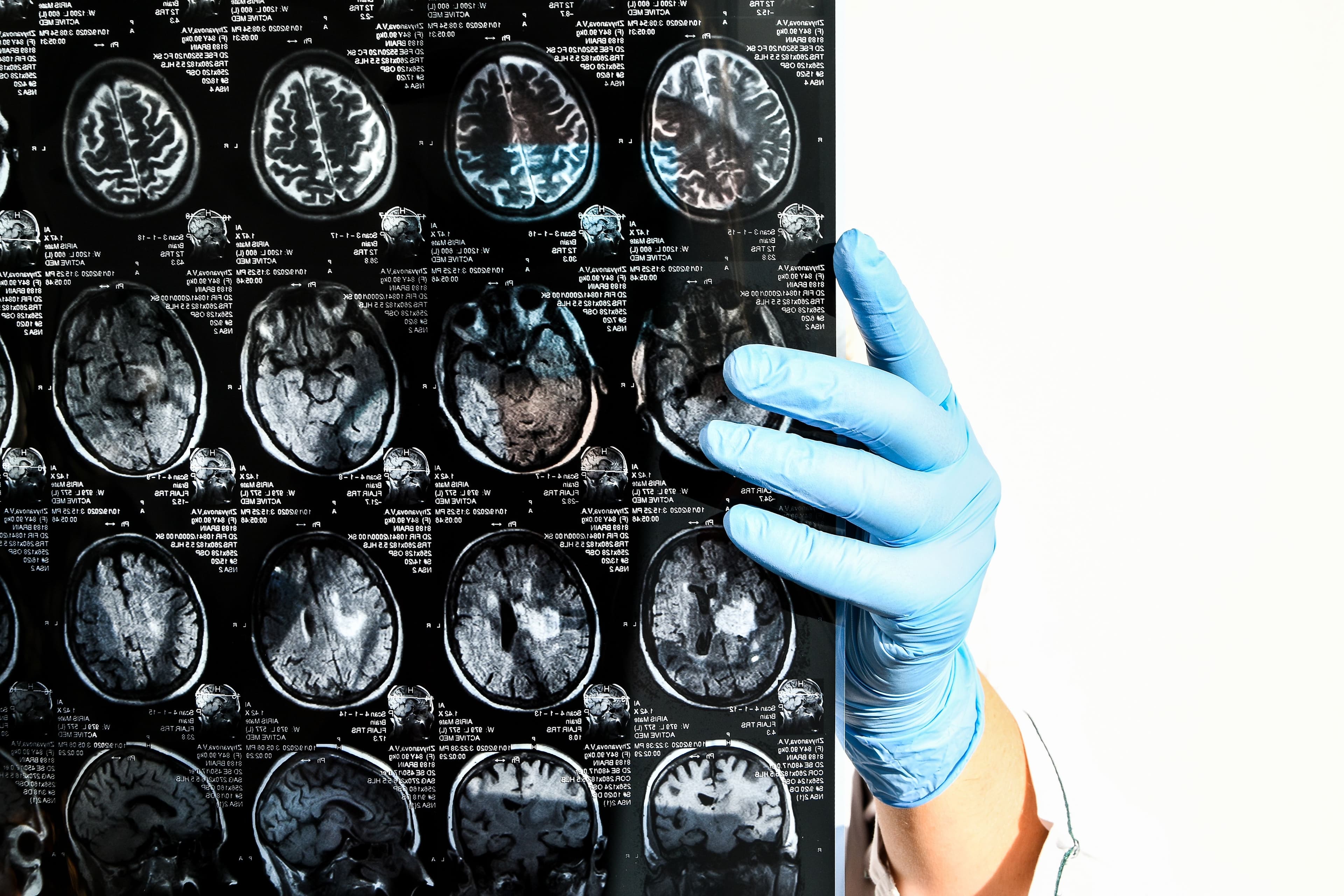
A traumatic brain injury can be one of the most difficult injuries to diagnose, understand, and prove. This article explores why experience with brain injury cases matters, how TBIs are often missed or underestimated, and why having a lawyer who understands the complexities of the brain can make a significant difference in the outcome of your case.

Personal Injury
Traumatic brain injuries often affect far more than memory or headaches. Physical, emotional, cognitive, and sensory symptoms can quietly alter the way a person thinks, feels, reacts, and experiences everyday life. Many of these symptoms are invisible, misunderstood, or dismissed entirely, making proper evaluation and documentation critical in understanding the true impact of a brain injury.

Personal Injury
Most cases don’t differ in value because of the injury—they differ because of how well the story is uncovered, built, and presented. The right details, credible experts, and strong jury connection can turn an ordinary case into an extraordinary outcome.

Personal Injury
Many people assume a traumatic brain injury only occurs when someone suffers a direct blow to the head. In reality, serious brain injuries can happen without any head impact at all. Sudden acceleration and deceleration — such as in car accidents or falls — can cause the brain to move violently inside the skull, disrupting normal brain function. This article explains how these “invisible injuries” occur, the symptoms to watch for, and why understanding them is critical for protecting both your health and your legal rights after an accident.


